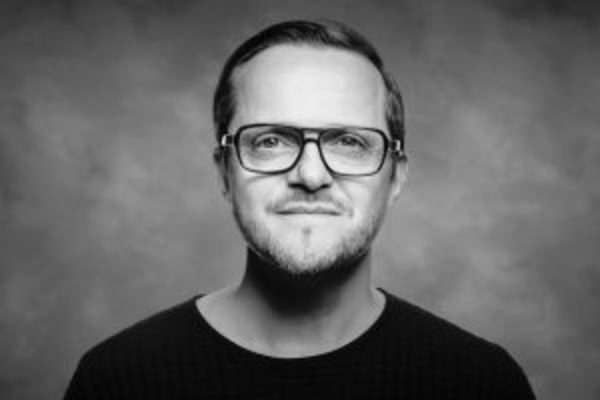
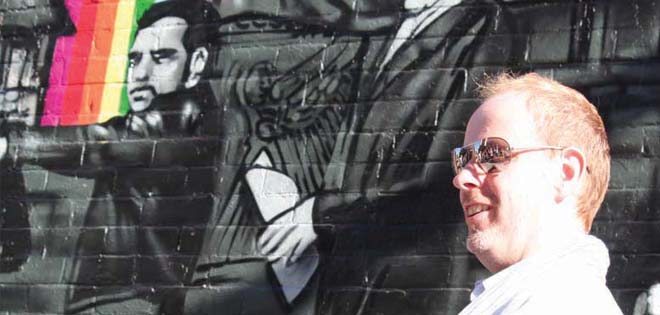
Glenn Crawford was the instigator of the Build Our Bank and LGBT Village initiatives in the famously reserved capital since starting the volunteer-run project in 2007. While he has recently stepped down as president of The Village, making room for new ideas from successor Ian Capstick, Crawford has left an indelible mark on a town where there wasn’t a lot of consensus about creating a gay village.
Born out of town hall meetings about the reconstruction of Bank Street, the idea of designating the stretch between Wellington and Gladstone as The Village was about “trying to get a sense of belonging and place, where people feel they can be themselves, have access to services, fool around and shop,” Crawford says. “Gradually a lot of LGBTQ organizations have coalesced into this area… Forming The Village was a natural progression.” When he started fundraising and participating in public advisory committees five years ago, Crawford came up against both the veiled homophobia of a local business improvement association, as well as criticism from the LGBT community that the project was coming 10-20 years too late.
“People were asking Why do we want to create a ghetto? A lot of that criticism comes from people who are out [of the closet],” Glenn says with his typical incisiveness, “from people who have the relationship, two dogs and friend circle. I don’t need a Village either! It’s for people who are struggling in suburban or rural areas; it can be for everyone.” And as a child of the sleepy, inaccessible suburb of Kanata – “not an easy place to grow up gay” – Crawford speaks from experience. Like most LGBT people in any Village in any major city anywhere, the urban geographic bubble exists as much for townies as it does for people who have moved there to escape the stifling places they come from.
And lest you think that Crawford’s project was for commercial reasons alone, it may seem counterintuitive that he’s not a shop-keeper himself, but rather a website and graphic designer who lives just off Bank and works part time in a local gallery. “There’s a social aspect to it. Taking pride in who you are and finding a sense of value in there being a community,” which for him includes keeping the subsidized housing in the area, and watching out for condo development that could “force out the funkier elements.”
“It’s [about] putting roots down; people say it’s 20 years too late, but for me it’s just in time,” Glenn concludes. Echoing a theme that has emerged in everything from architecture to sociology, he adds that “The online world is not the same as having a real community. I worry about that, about younger generations, they’re not valuing the sense of community.”
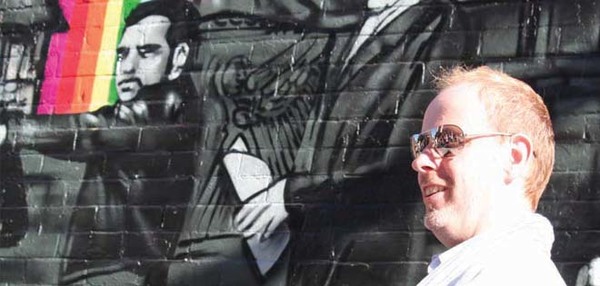
So maybe when you walk by the “We Demand” mural that The Village commissioned on Gladstone and Bank Streets, you might get a sense of what that community looks like and is for, and clap your fairy hands for Glenn Crawford. Photo by Noreen Fagan